Sorry, you need to enable JavaScript to visit this website.
Sustainability

SUSTAINABILITY

Coffee sustainability

7 min

A VIRTUAL FIELD TRIP

Meet some of the agronomists and farmers working to help make coffee sustainable so you can enjoy coffee well into the future.

THE FUTURE OF THE COFFEE

Your virtual field trip

Take a virtual field trip to Costa Rica to discover what argonomists and farmers are doing to address the effects of climate change, disease and diminishing natural resources on coffee farming.

They want to ensure your coffee cup stays full well into the future.


MORE THAN A BEVERAGE

Most coffee drinkers will tell you that coffee, especially in uncertain times, is more than a beverage. A cup of coffee can represent comfort, stability, a respite – a taste of normality, especially in a world that currently feels anything but. It represents much the same to the people who grow coffee.

“I have coffee for breakfast, at noon, at 2 p.m., and at night I have another cup. It’s like one of my daily meals,” said Ana Mendez, laughing. She and her husband farm coffee on several small plots in Costa Rica.

She said she often thinks of the people around the world drinking the coffee they grow. “I would want to tell them behind every cup of coffee there is sacrifice, there is work, there is hope, and there is love,” Mendez said. “There is so much love.”
 

QUICK FACT

Starbucks® reached the milestone of 99% ethically sourced coffee in 2015.

COFFEE IS AT A CROSSROADS

Yet coffee is at a bit of a crossroads. There are more coffee drinkers in the world than ever before, but each year, climate change, disease and diminishing natural resources can make the business of coffee farming more and more difficult. 

In 2013, Starbucks® purchased a coffee farm in Costa Rica called Hacienda Alsacia to better understand these challenges, and to look for solutions. Since then, the farm has become a global hub of research and discovery – discoveries the team there hopes will help coffee farmers all over the planet and the ongoing challenges they face.


THE EFFECTS OF CLIMATE CHANGE

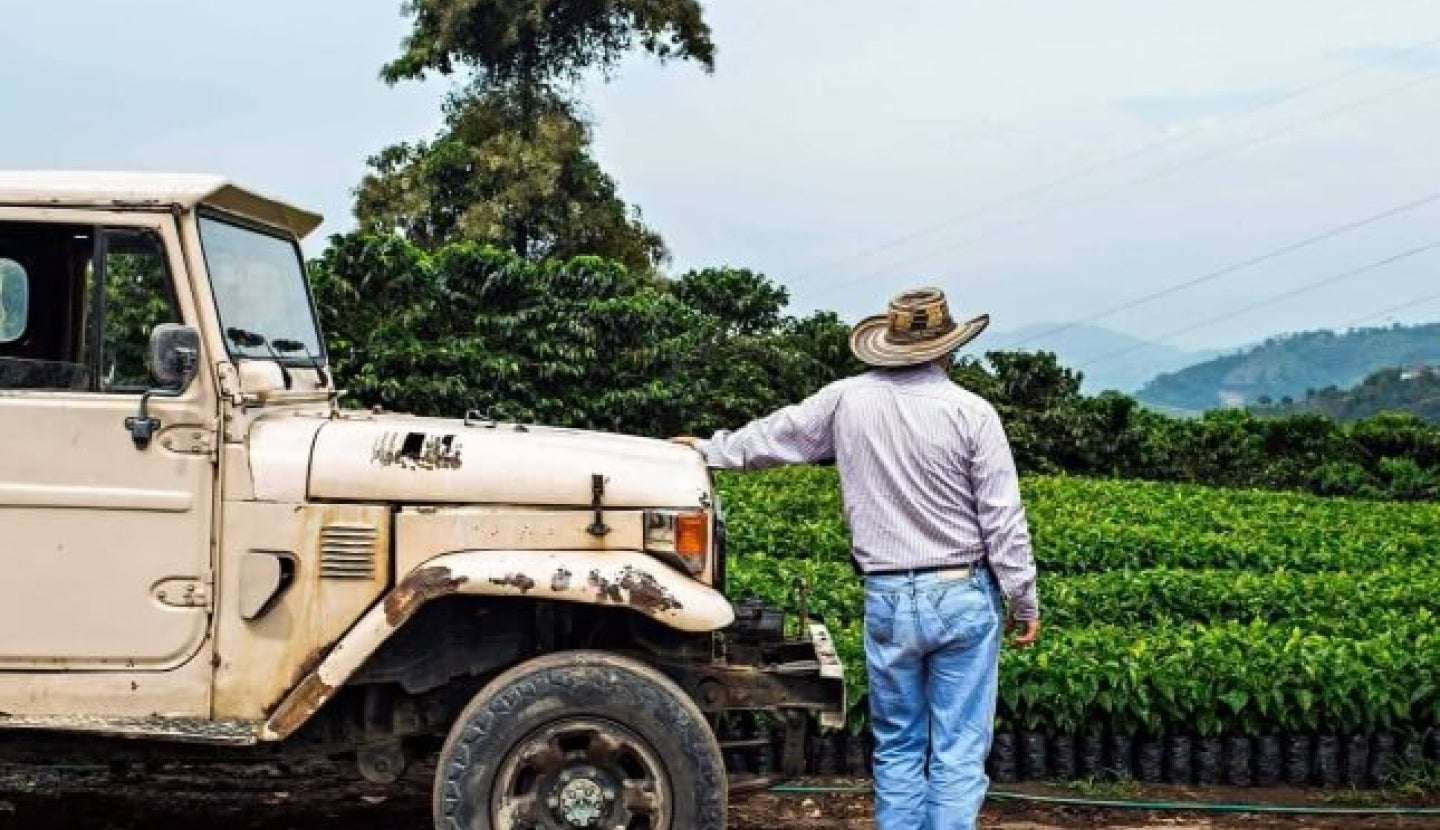
“The most complicated problems we have now are (coffee leaf) rust and climate change. It’s affected us a lot,” said Raul Blanco, a 22-year-old farmer in Costa Rica who sells coffee to Starbucks®.

A seventh-generation coffee farmer, Blanco said he was born into coffee, and remains dedicated to the future of the crop and his family’s land. He also loves imagining his family’s coffee making its way into the cups of coffee drinkers all over the world.

“I’ve never in my life thought about giving up coffee farming,” Blanco said. “Instead, I’ve always tried to look for ways to subsist as a coffee farmer, to improve it, day by day, to make (the farm) more profitable, more economical, and always taking care of the environment. Every coffee bean, every bushel of coffee, every truck full you take out every day is for someone somewhere in the world to enjoy it – for someone who is having a cup of coffee to delight in it.”

“Every coffee bean, every bushel of coffee, every truck full you take out every day is for someone somewhere in the world to enjoy it – for someone who is having a cup of coffee to delight in it.”
Raul Blanco Costa Rica Coffee Farmer
Coffee Sourcing

Dari Mana Kopi Kami Berasal

Perjalanan Starbucks® dalam Mendapatkan Kopi Terbaik

Starbucks lahir dari kecintaan terhadap kopi berkualitas tinggi.

CRAFT

How to taste coffee

<p>There’s an art to slowing down and truly tasting your coffee, from its aroma and acidity to its body and flavour. Here’s how to master it.</p> 7 min

CRAFT

The art of blending and roasting

<p>Before you can brew and sip your favourite Starbucks<sup>®</sup> coffee, the coffee beans go through many steps, including blending and roasting.</p> 4 min

SUSTAINABILITY

Coffee sustainability

<p>Meet some of the agronomists and farmers working to help make coffee sustainable so you can enjoy coffee well into the future.</p> 7 min